
Don't Buy Automation Until You Understand What You're Automating.

An automatic screen-printing press can print fast. That's the easy part.
The harder question is: Is your shop ready to feed it? That's one of the conversations ROQ wants shops to have in Dallas. Because the move from manual to automatic production changes much more than who's holding the squeegee.
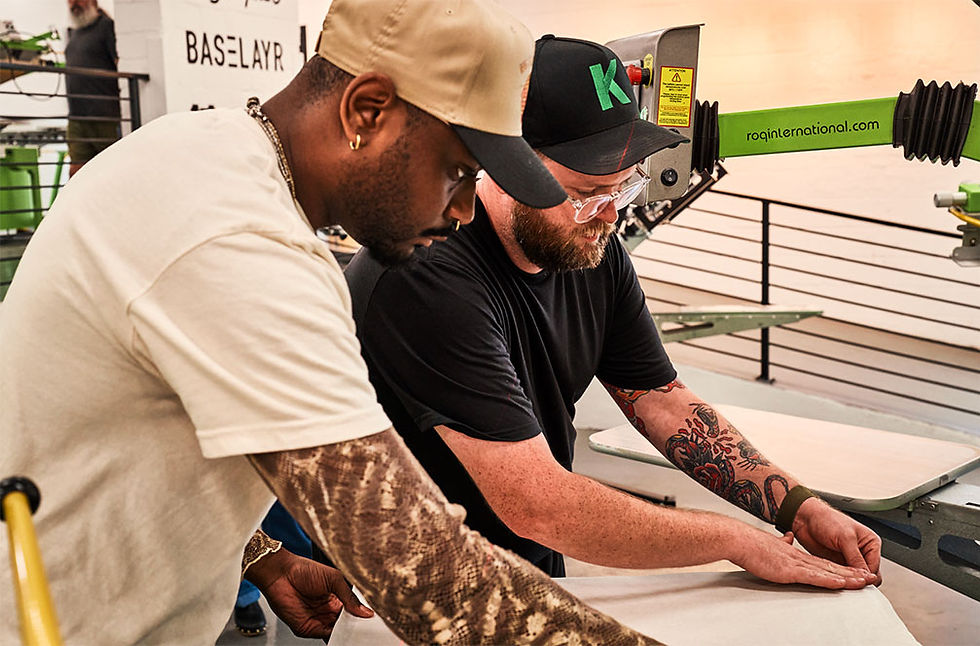
Your First Auto Changes the Shop
On a manual, a great printer can compensate for a lot. Automatic production exposes those variables.
Screens need to become more consistent.
Jobs need to be staged correctly.
Registration needs to become repeatable.
Ink needs to be ready.
Operators need standards.
Quality control needs a process.
Production knowledge needs to stop living exclusively inside one experienced printer's head.
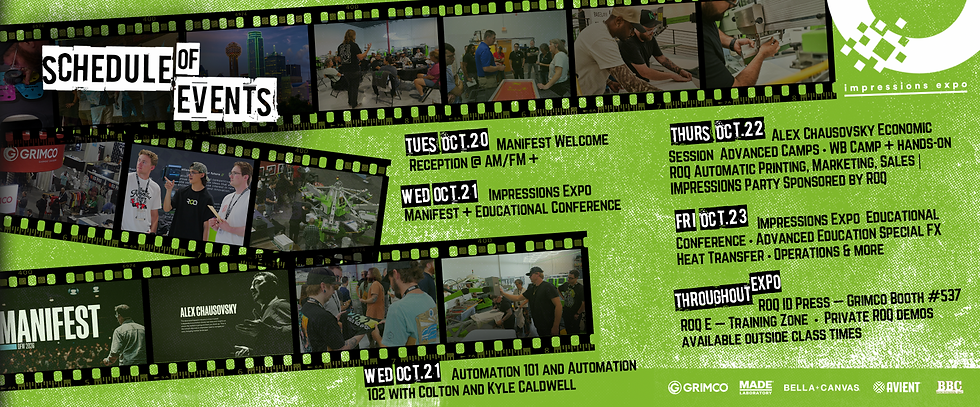
That's why ROQ's Colton Moreno and MADE Laboratory's Kyle Caldwell are teaching Automation 101 and Automation 102 at Impressions Dallas.
AUTOMATION 101: Should I Make the Move?
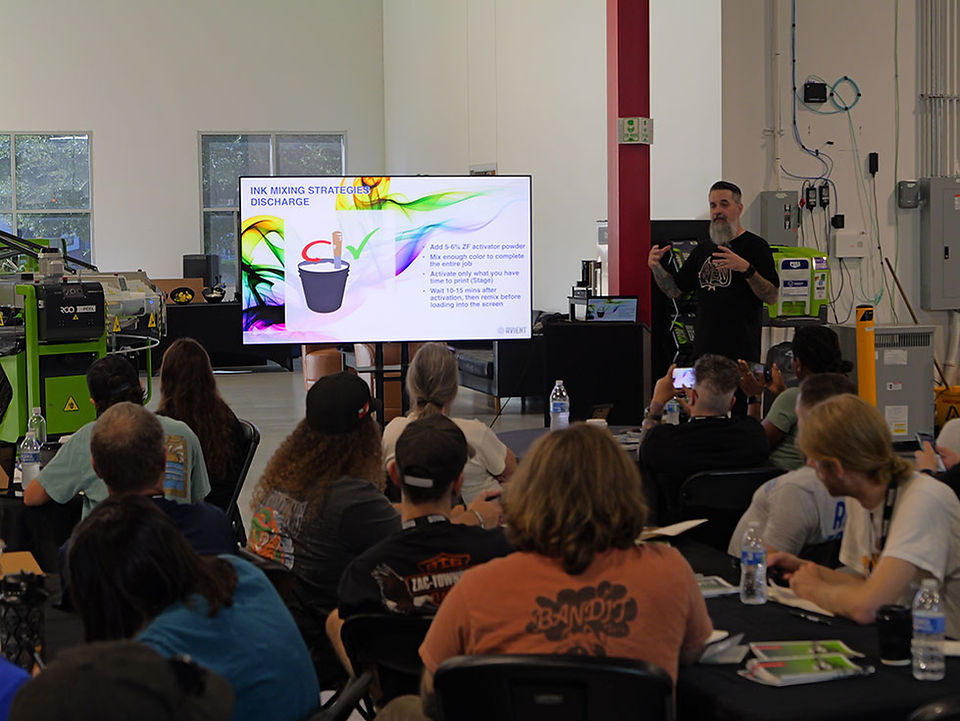
Automation 101 addresses the move from manual printing to your first automatic.
It covers automatic press fundamentals—but also goes upstream.
Darkroom readiness.
Screen quality.
Setup.
Job staging.
Ink.
Workflow.
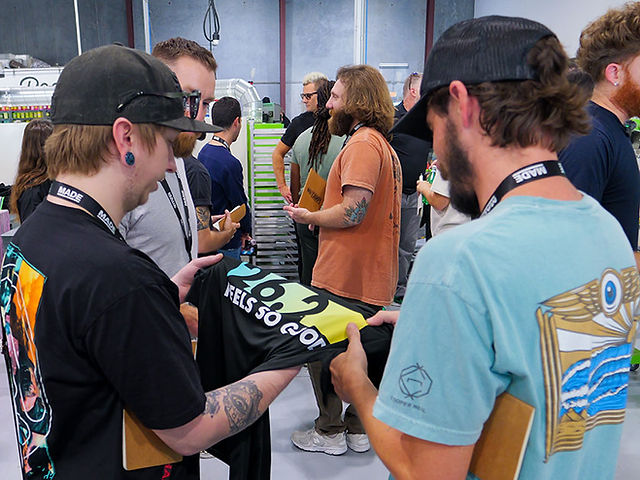

Because the goal isn't simply to buy more capacity.
It's to build a shop capable of using that capacity.
AUTOMATION 102: Make it Repeatable
Then comes the part that separates owning automation from operating an automated shop. SOPs.
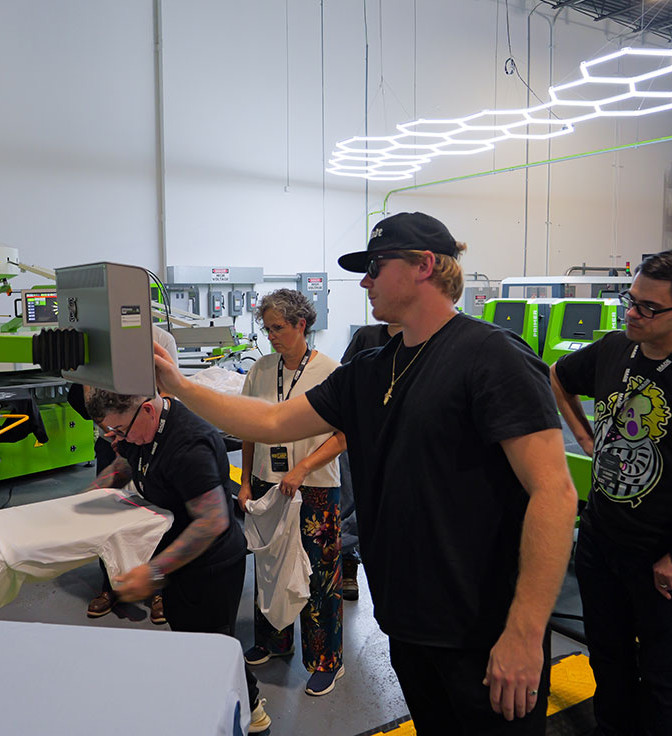
Automation 102 focuses on creating repeatable standards around press setup, screens, darkroom processes, employee training and quality control.
If Operator A sets up a job completely differently from Operator B, you haven't fully automated the process.
You've put an automatic press in the middle of an inconsistent system.
Automation becomes powerful when good results become repeatable.
Watch the Theory Become Production
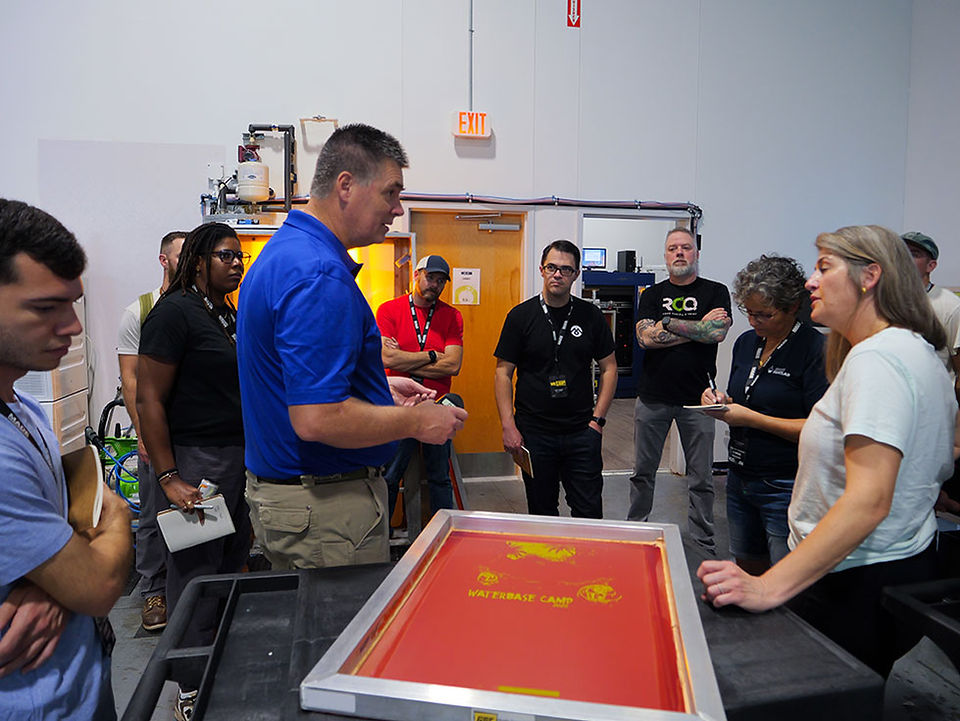
Thursday's advanced screen-printing education gives attendees another perspective. During WB Camp, printers move from artwork and print theory through screen making and ink preparation before reaching production on a ROQ automatic press.
During WB Camp, printers move from artwork and print theory through screen making and ink preparation before reaching production on a ROQ automatic press.
That's where all those upstream decisions finally meet the machine.
The screen.
The ink.
The flood.
The print stroke.
The flash.
The cure.
The operator.
The workflow.
The press connects all of them.
Then Talk About Your Shop
ROQ will offer private demonstrations of the ROQ E outside conference education times. Don't just ask us to run the press. Bring us your production questions.
What are you printing?
Where are you losing time?
What's your actual capacity?
How long does setup take?
Where does work back up?
What happens if volume doubles?
What should you automate—and what shouldn't you?
Those are better questions than simply asking how fast a press can run.
And See What's Next
Stop at Grimco Booth #537 near the entrance to see the ROQ ID Press and another side of where ROQ technology is heading. Dallas gives you the opportunity to experience automation from multiple angles.
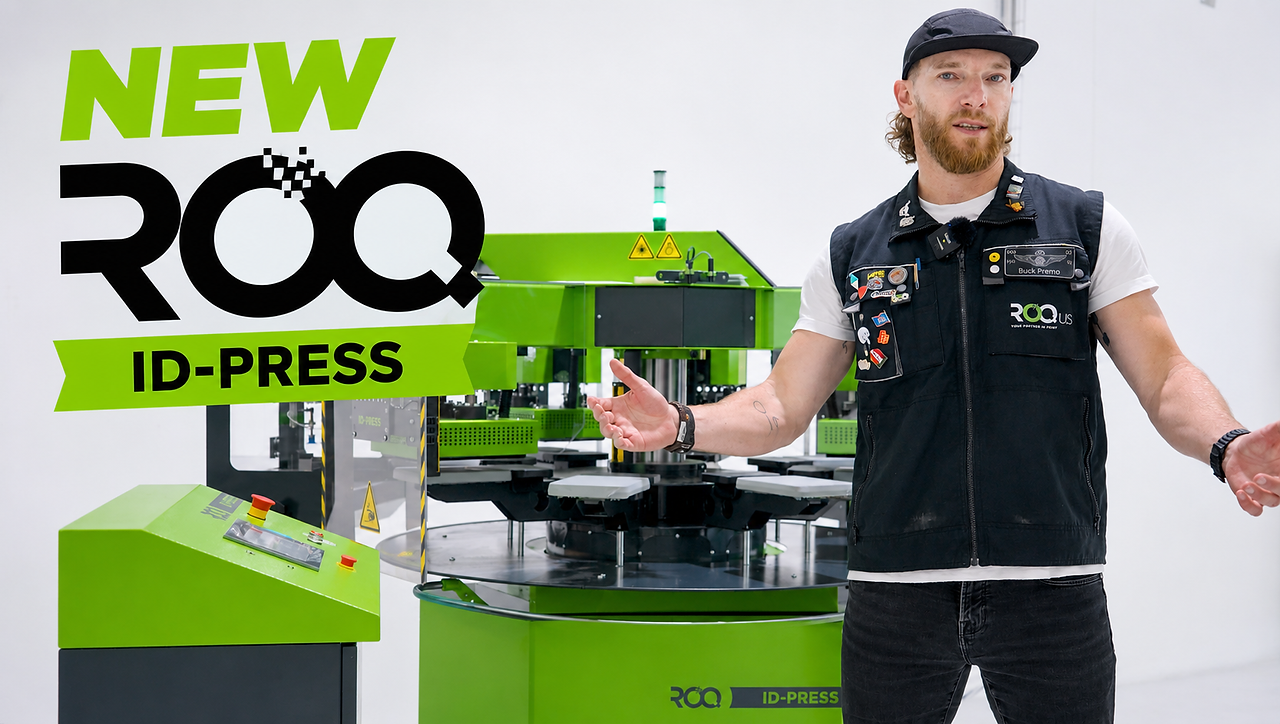
Learn it. See it operating. See what's new.
Then determine what makes sense for your shop.


.png)


Comments